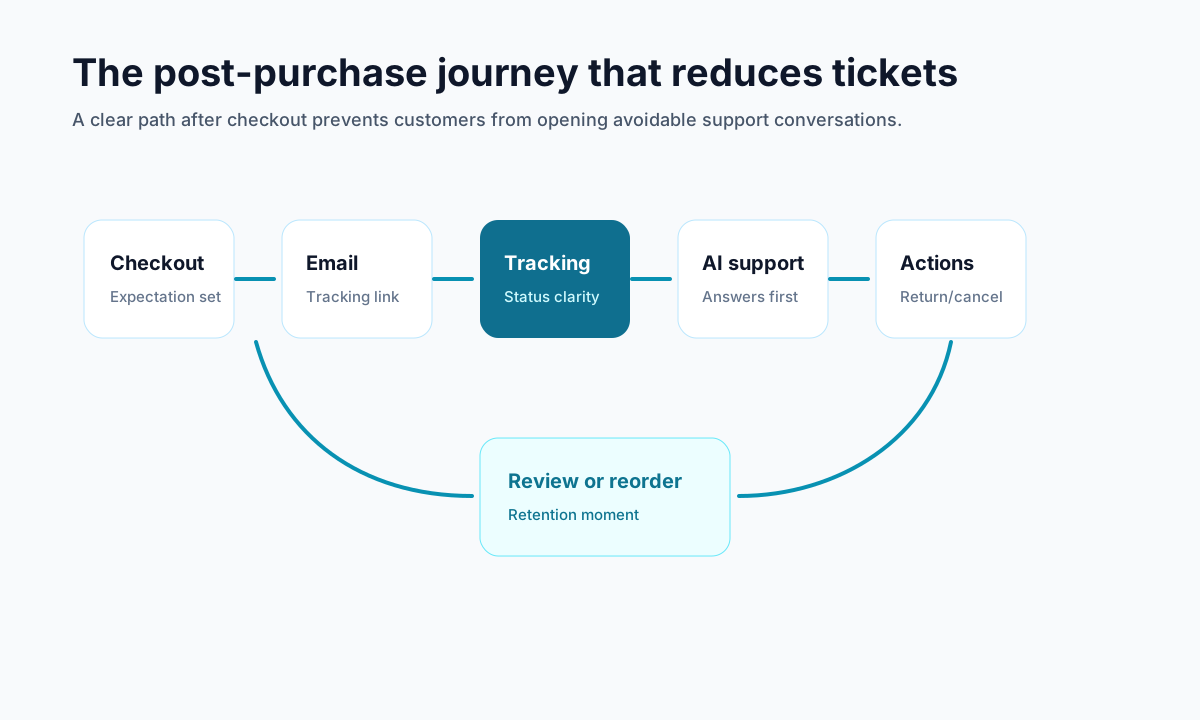
How Shopify Brands Reduce Post-Purchase Support Tickets
Learn how Shopify brands reduce post-purchase support tickets with branded tracking, AI customer support, and stronger customer self-service.
How Shopify Brands Reduce Post-Purchase Support Tickets
The fastest-growing Shopify brands do not reduce support tickets by telling customers to email less. They reduce support tickets by making the post-purchase experience easier to navigate.
That usually means the same pattern shows up again and again:
- better tracking visibility
- branded post-purchase experiences
- AI support for routine questions
- self-serve returns and cancellations
- fewer dead ends after checkout
Visual guide: where tickets get prevented
Post-purchase support drops when tracking, returns, cancellations, and AI answers are connected instead of scattered.
| Ticket source | Preventive visual/action | Result |
|---|---|---|
| Tracking questions | Branded tracking page with plain-language status. | Fewer WISMO tickets. |
| Return questions | Eligibility and next steps before contact. | Fewer policy emails. |
| Cancellation questions | Clear cancellation window and routing. | Fewer manual checks. |
Why post-purchase support gets expensive
<!-- trexa-section-visual:support -->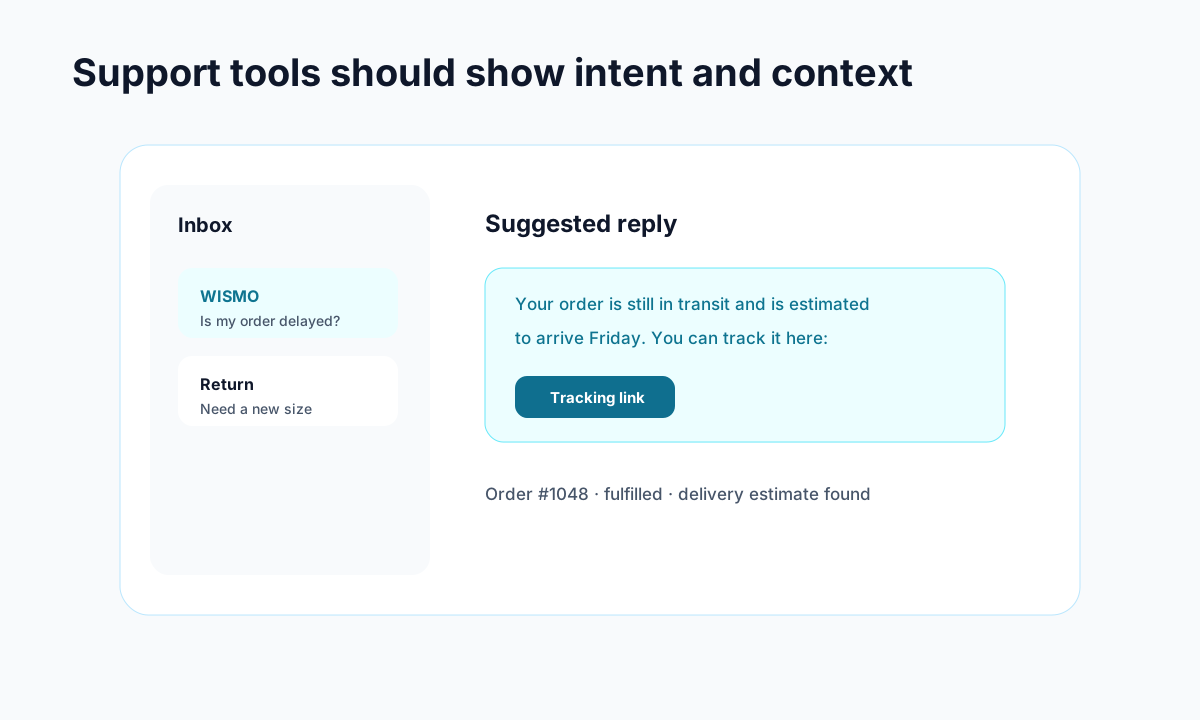
Example: support gets faster when intent, order context, and draft replies live together.
After checkout, customers are in a state of uncertainty. They want confirmation, clarity, and next steps.
If your store does not provide those things clearly, support becomes the safety net for every gap in the experience.
That is why brands often see the same ticket categories repeat:
- where is my order
- when will it arrive
- can I return this
- can I cancel this
- what happens next
The brands that win do these five things well
1. They treat tracking like customer experience, not just logistics
<!-- trexa-section-visual:tracking -->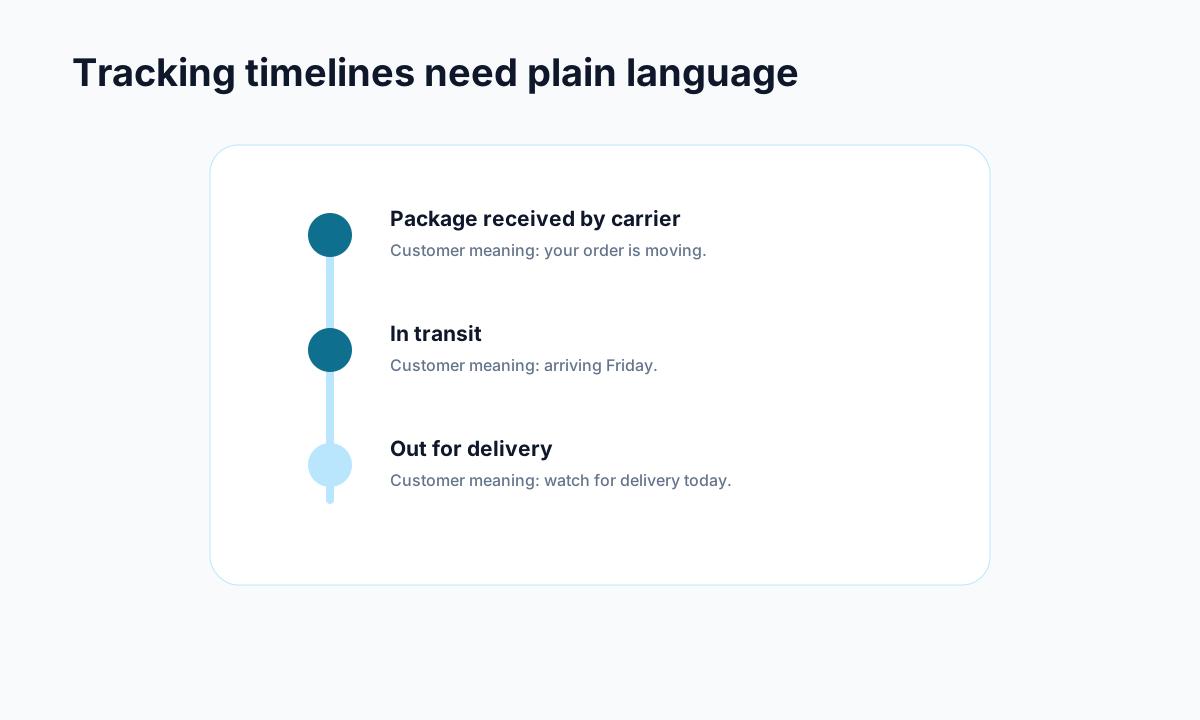
Example: carrier events become useful when they are translated into plain customer language.
A raw shipment page is not enough. The strongest brands turn tracking into a clear customer-facing experience.
That is why branded tracking matters so much. It lowers confusion and creates more trust after checkout.
Useful references:
2. They intercept repetitive questions before they become tickets
This is where AI support actually earns its keep.
If a customer can ask a post-purchase question on the tracking page and get a useful answer instantly, that is one less ticket in the queue.
Relevant pages:
3. They connect actions into one post-purchase journey
Returns, cancellations, policy answers, and tracking should not feel like separate systems stitched together badly.
The smoother those flows are, the fewer customers need to contact support for help.
Start here:
4. They choose tools based on outcomes, not labels
<!-- trexa-section-visual:comparison -->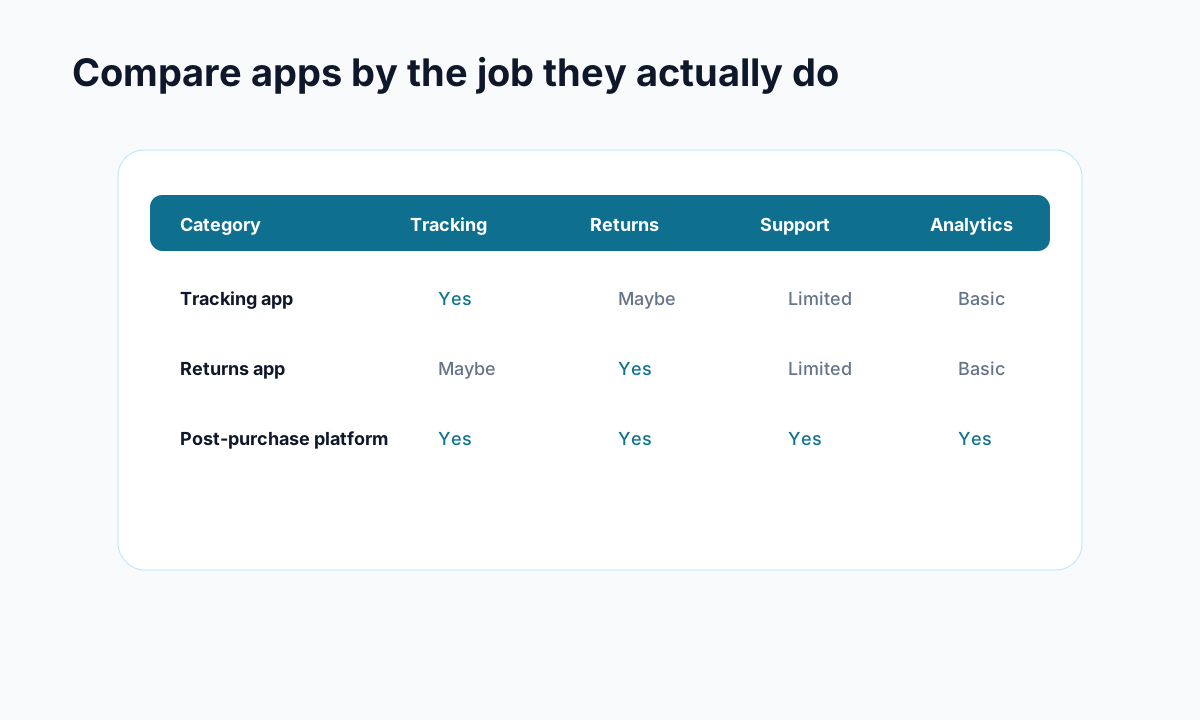
Example: compare apps by the operational jobs they cover, not by feature-page language.
A store may think it needs a helpdesk, when what it really needs is fewer avoidable tickets.
That is why it helps to compare tools by outcome:
- Best Shopify customer support apps for post-purchase support
- Best Shopify order tracking apps
- Best AfterShip alternatives
5. They make self-service feel normal
The best post-purchase support experience is the one where customers do not feel like they had to contact support at all.
That only happens when self-service is clear, fast, and connected to the real customer journey.
What this means for your Shopify store
If your support team is constantly answering repetitive post-purchase tickets, the answer is usually not to stack more people into the inbox.
It is to redesign the post-purchase layer so customers can do more on their own.
That is where a Shopify-focused workflow matters.
Final takeaway
Shopify brands reduce post-purchase support tickets by fixing the customer journey after checkout, not by getting better at managing repetitive pain.
If you want the practical next steps, review these in order:
- How to reduce WISMO tickets in Shopify
- Shopify order tracking app
- Trexa vs AfterShip
- Trexa vs Gorgias
Then test the workflow in your own store and see how much support load disappears when customers have a better path after checkout.
Ready to reduce your support tickets?
Trexa gives your Shopify store AI-powered order tracking, automated support, and self-serve returns. Start free with 10 orders/month.
Start FreeExplore related Trexa pages